Clear Aligners Explained: Invisalign Calabasas CA Basics
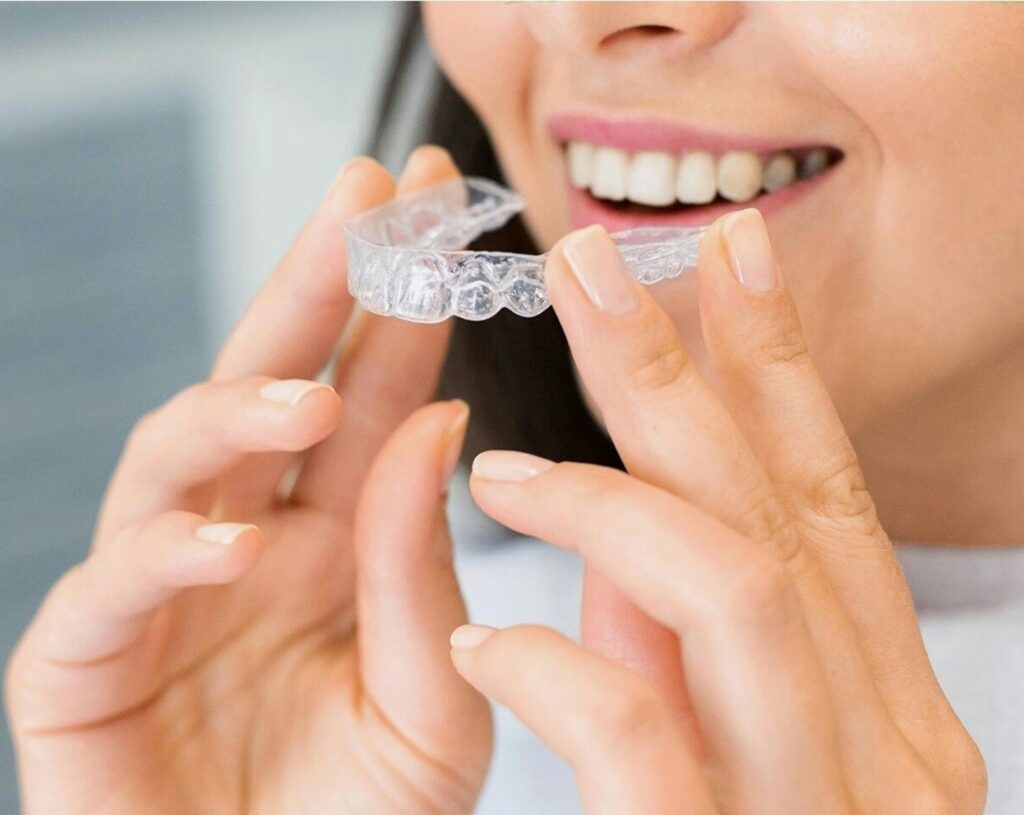
Clear aligners have changed the way many adults and teens think about orthodontic treatment. For people who want straighter teeth without the look and feel of metal braces, aligners often offer a practical middle ground. They are discreet, removable, and easier to manage day to day than most patients expect. They are also not magic. They work best when the case is diagnosed properly, the treatment is planned carefully, and the patient wears the trays with real consistency.
If you have been searching for Invisalign Calabasas CA, chances are you are trying to answer a few basic questions before booking a consultation. How do clear aligners actually move teeth? Who is a good candidate? How long does treatment usually take? What does daily life look like once you start? Those are the questions that matter, and they deserve straightforward answers.
What follows is a practical look at the basics, written from the perspective of how treatment really works in a clinical setting and how patients actually experience it at home, at work, and in social situations.
What clear aligners are really doing
At first glance, a clear aligner looks almost too simple to be effective. It is just a thin, transparent tray that fits over your teeth. The important part is that each tray is made to apply controlled force to specific teeth in very small increments. You wear one set of aligners for a prescribed period, usually about one to two weeks depending on the plan, and then move to the next set. Each new tray continues the movement.
This is not random pressure. The aligners are based on a digital treatment plan created from scans, photos, x-rays, and a clinical exam. A good plan accounts for root position, bite relationship, crowding, spacing, gum health, and the amount of bone supporting each tooth. In other words, the trays matter, but the diagnosis matters more.
One of the biggest misconceptions is that aligners simply “push teeth straight.” Orthodontic treatment is more precise than that. Teeth can tip, rotate, intrude slightly, extrude slightly, and move bodily within limits. Some movements are easier with aligners than others. Small gaps often respond well. Mild to moderate crowding can respond very well. Rotated teeth, deep bites, crossbites, and more complex bite corrections may still be treatable, but they often require a more experienced provider, attachments on the teeth, elastics, refinements, or in some cases a recommendation for braces instead.
That last point matters. Clear aligners are a tool, not a one size fits all answer.
Why so many adults ask about Invisalign
A large share of interest in Invisalign Calabasas CA comes from adults who skipped orthodontics when they were younger or had braces years ago and saw their teeth shift afterward. This group usually values three things: appearance, convenience, and predictability.
Appearance is the obvious one. Most aligners are difficult to notice in normal conversation, especially from a few feet away. Adults in client-facing jobs, people who speak publicly, and patients who simply do not want a metallic look often appreciate that privacy.
Convenience is close behind. Because aligners are removable, patients can eat normally. There are no food restrictions in the same way there are with braces. You take the trays out for meals and snacks, brush before putting them back in, and continue with your day. For busy professionals and parents, that flexibility can make treatment feel much more manageable.
Predictability is where expectations need to be realistic. The digital planning process gives patients a clearer preview than orthodontics did years ago, but the body still has the final say. Teeth do not always move exactly on schedule. Some cases finish close to the original estimate. Others need refinement trays to fine tune alignment or bite. That does not mean treatment failed. It means biology is not software.
The first consultation, what actually happens
A proper consultation is more than someone handing you a mirror and saying, “Yes, you qualify.” The better appointments are diagnostic. The provider examines your teeth and gums, reviews your health history, takes digital scans or impressions, checks your bite, and may recommend x-rays or photos if they are not already available. They should also ask about habits and goals. Grinding, clenching, mouth breathing, and past orthodontic treatment can all influence planning.
Patients often come in focused on one crooked front tooth. The provider may be focused on something else entirely, such as a narrow arch, a deep overbite, or wear patterns on the back teeth. That is not a distraction. It is the job. Straightening visible front teeth without addressing the bite can create a result that looks better at first glance but is less stable or functional over time.
In a good consultation, you should leave with a sense of whether your case is simple, moderate, or complex, how long treatment may take, whether attachments or elastics are likely, and what level of compliance the plan will demand. If the office offers same day scans and simulation, that can be helpful, but the visual preview should never replace a clinical conversation.
Who tends to be a good candidate
Many people are appropriate candidates for clear aligners, but “good candidate” means more than “wants straighter teeth.” It usually means the case is suitable for aligner mechanics and the patient is likely to wear them as directed.
Mild spacing, mild to moderate crowding, minor relapse after previous braces, and many cosmetic alignment issues are often very treatable. Teens can do well too, especially when they are motivated and have family support. Adults with disciplined routines often make excellent aligner patients because they are consistent about wear and follow-up.
Gum health is another part of candidacy that gets overlooked. Teeth should not be moved aggressively through untreated periodontal disease. If there is significant inflammation, bone loss, or active decay, those issues often need attention before orthodontic movement begins. This is one reason it helps to choose a provider who takes a broad view of oral health rather than treating aligners as a quick retail product.
There are also patients who can technically be treated with aligners but may be happier with braces. If someone tends to snack all day, loses things frequently, travels constantly without routine, or knows they will not wear trays 20 to 22 hours a day, braces can be the more efficient and less frustrating choice.
The role of attachments, elastics, and refinements
Many first-time patients are surprised to learn that clear aligner treatment is not always just trays. Small tooth-colored attachments are often bonded to certain teeth to give the aligners more grip. These help with movements that would otherwise be difficult, such as rotations or more controlled root movement. They are usually subtle, but they are not invisible at close range.
Elastics may also be used in some cases to help improve the bite. If you had assumed elastics belonged only to traditional braces, that is a common assumption. In reality, aligners can be combined with elastic wear when bite correction is part of the plan.
Refinements are another normal part of treatment. After the initial series of trays, the provider reassesses the result. If some teeth need more movement or the bite needs polishing, additional scans are taken and another set of trays is made. Patients sometimes hear the word “refinement” and think something went wrong. Often, nothing went wrong. It is simply part of getting from good to precise.
What daily life feels like once treatment starts
The first few days of aligner wear are usually an adjustment, but not a dramatic one. Most patients describe pressure rather than pain. A new tray can feel tight for a day or two, especially at night when there are fewer distractions. Speech can feel slightly different at first, particularly with certain “s” sounds, but most people adapt quickly.
The routine is simple in theory and more demanding in practice. You remove the aligners to eat or drink anything other than plain water. Then you brush, or at least rinse thoroughly when brushing is not possible, before putting them back in. That means casual sipping, frequent snacking, and long coffee sessions become less convenient. For some patients, this turns into an unexpected benefit because it reduces grazing and sugary drinks. For others, it is the hardest habit to change.
Socially, clear aligners are easier than braces for many people. You can remove them briefly for important events, photos, or a business lunch. The key word is briefly. Taking them out for a wedding ceremony is different from leaving them out for half the day. Those hours add up. The patients who finish on time usually treat wear time as non-negotiable.
A small but useful detail from real life: keeping a travel toothbrush, floss picks, and a case with you makes a big difference. Wrapping aligners in a napkin during dinner is still one of the fastest ways to lose them.
How long treatment usually takes
Treatment length depends on the complexity of the case, the biology of tooth movement, and how faithfully the aligners are worn. Minor corrections may take several months. Moderate cases often fall somewhere around a year, sometimes longer. Complex bite correction can extend well beyond that. Any estimate given before records and planning should be understood as a range, not a promise.
The biggest variable patients control is wear time. If trays are meant to be worn 20 to 22 hours a day and they are worn 14 to 16, the treatment tends to stall. Teeth may stop tracking properly, meaning they are no longer fitting the aligner as planned. That can lead to rescans, additional trays, or a longer overall timeline.
There is also a biological side that patients do not control. Some teeth move efficiently. Others resist. Teeth with short clinical crowns, unusual anatomy, previous dental work, or certain root positions can behave differently. That is why experienced planning and follow-up matter so much.
Cost, value, and what patients should compare
When people search Invisalign Calabasas CA, cost is often one of the first questions, even if it is not the first one they ask out loud. Pricing varies by region, case complexity, provider experience, and what is included in the fee. A limited touch-up case costs less than comprehensive treatment. Some offices include retainers and refinements in the quoted fee, while others separate them.
That is why comparing one number to another can be misleading. A lower fee is not automatically a better deal if it excludes retainers, additional trays, or necessary follow-up. A higher fee is not automatically better either. Patients should understand exactly what the plan covers, how many follow-up visits are expected, whether there are charges for lost aligners, and what happens if refinements are needed.
Insurance may contribute in some cases, especially if the plan includes orthodontic benefits. Health savings accounts and flexible spending accounts are also commonly used. Many offices offer payment plans, which can make treatment more approachable for adults managing family budgets.
The better way to think about value is not simply “How cheap can I find aligners?” but “Am I paying for a sound diagnosis, a realistic treatment plan, and support if the case needs adjustment?” Orthodontic treatment is one of those areas where a bargain that fails can become more expensive later.
Clear aligners versus braces, the honest comparison
Clear aligners and braces both move teeth. The real differences show up in visibility, discipline, comfort, and mechanical control.
Aligners win on aesthetics for obvious reasons. They are also easier for eating and usually easier for brushing and flossing. Many adults prefer them because they fit more naturally into professional and social settings. From a comfort standpoint, they avoid brackets and wires rubbing the cheeks, though they introduce their own pressure and maintenance.
Braces have advantages too. Because they are fixed to the teeth, they do not rely on patient compliance in the same way. They can be more efficient for certain difficult movements. They can also be the better choice when a patient needs significant bite correction or is unlikely to wear removable trays as prescribed.
The best providers do not force every case into one system. They recommend the tool that fits the job. In practice, that often means some patients are excellent aligner candidates, some are clearly better off with braces, and some could succeed with either if they understand the trade-offs.
What can go wrong when treatment is rushed or oversimplified
The glossy marketing around clear aligners can make them seem almost cosmetic, like whitening or a simple surface upgrade. They are not. Tooth movement affects bite, gum tissue, bone, and long-term stability. Problems tend to show up when planning is too superficial or follow-up is too light.
One common issue is focusing only on visible front teeth. Another is underestimating the role of attachments or overpromising an easy case. Some patients are told their treatment will be quick and effortless, only to discover later that refinements, elastic wear, or longer timelines are needed. It is better to hear a more realistic plan at the beginning than an optimistic one that has to be revised halfway through.
There is also the issue of retention. Straightening teeth is only half the process. Keeping them straight requires retainers after active treatment. Teeth naturally drift over time, especially if they were crowded or rotated to begin with. Patients who invested months in aligners and then wore retainers casually often find themselves disappointed a year or two later.
Why retention deserves more attention than it gets
Ask almost any experienced dental professional what patients underestimate most, and retention will be near the top of the list. Once the aligners are done, the teeth need time and ongoing support to remain in their new positions. Retainers are the insurance policy for the result.
For many patients, retainers are worn full time initially and then transitioned to nighttime wear, depending on the provider’s instructions and the details of the case. The exact schedule varies, but the principle does not. If you stop wearing retainers, some degree of shifting is likely.
This matters especially for adults who had braces as teenagers. Their current crowding often is not “new.” It is relapse. That history usually makes them more motivated, because they have already seen what happens when retention fades away.
Choosing a provider in Calabasas
If you are considering Invisalign Calabasas CA, it is worth looking beyond convenience and marketing. A nearby office is helpful, but the quality of diagnosis, planning, and communication matters more than a polished ad or a limited-time offer.
Look for an office that explains your bite, not just your smile line. Pay attention to whether they discuss gum health, attachments, possible refinements, and retention from the start. Notice whether the consultation feels educational or transactional. You should feel that the provider is evaluating your case, not selling a product with the same script given to everyone else.
It is also reasonable to ask practical questions. How often will follow-ups happen? Invisalign Calabasas CA Who monitors the case? What is included in the quoted fee? How are delays or tracking issues handled? If treatment runs longer than expected, what support is available? These are ordinary questions, and a well-run office should answer them clearly.
Calabasas patients often come in with busy schedules, school demands, work travel, and social commitments. That lifestyle can work very well with aligners, but only if the treatment plan fits reality. The right provider will factor that in.
The small habits that make the biggest difference
The patients who do best with aligners are not always the ones with the easiest cases. They are often the ones who build simple, repeatable habits. They put trays back in promptly after meals. They switch to the next set on schedule. They store aligners in a case instead of a pocket or napkin. They wear their retainers after treatment without treating them as optional.
That consistency matters more than most people realize. Orthodontic success is rarely about one heroic effort. It is about hundreds of ordinary choices made correctly over time.
For people who want a discreet path to a straighter smile, clear aligners can be an excellent option. They are comfortable for many patients, highly effective in the right cases, and much easier to fit into adult life than older orthodontic systems. The key is to approach them as real orthodontic treatment, not a cosmetic shortcut. When the case selection is sound, the planning is thoughtful, and the wear is consistent, the results can be impressive and stable.
If you are at the stage of researching Invisalign Calabasas CA, the next useful step is a consultation that treats your concerns seriously and evaluates the full picture, not just the front six teeth. Straight teeth are part of the goal. A healthy bite, stable result, and realistic plan are the rest of it.
Oaks Dental
5000 Parkway Calabasas, Suite 308
Calabasas, CA 91302
(818) 643-6521
FAQ About Invisalign Calabasas CA
How many hours a day should I wear Invisalign?
Clear aligners are typically worn for 20 to 22 hours a day. Follow your dentist’s instructions for your specific treatment plan.
What age is best for Invisalign?
Many teens and adults can use clear aligners. A dentist can assess dental development, oral health, and the type of tooth movement needed.
What affects the cost of Invisalign in California?
Cost depends on the complexity and length of treatment and what the quoted plan includes. Ask for an itemized estimate and check any orthodontic coverage with your insurer.